iHerb के बारे में सख्त दिशा-निर्देश हैं और हम सहकर्मियों की रिव्यू वाली स्टडीज, शैक्षणिक रिसर्च संस्थानों, मेडिकल पत्रिकाओं और भरोसेमंद मीडिया साइट्स से भी बुझते हैं। यह बैज दिखाता है कि इस पेज के सबसे नीचे 'रेफरेंस' सेक्शन में स्टडीज, रिसोर्सेज और आंकड़ों की सूची देखी जा सकती है।
रात के खाने की तैयारी, चलते-फिरते खाने का समय नहीं है, या बस संतुलित पोषण पाने का एक त्वरित और आसान तरीका चाहते हैं जो वजन प्रबंधन का समर्थन करता हो? भोजन का प्रतिस्थापन आपका जवाब हो सकता है! भोजन प्रतिस्थापन उन व्यस्त कार्यक्रमों के बीच तेजी से लोकप्रिय हो गए हैं, जो भोजन योजना को सरल बनाना चाहते हैं या वजन प्रबंधन के लिए एक संरचित दृष्टिकोण की तलाश करना चाहते हैं। और एक प्राकृतिक चिकित्सक के रूप में, मैंने देखा है कि कई मरीज़ उनके साथ सफल होते हैं, जब उन्हें पूरे खाद्य पोषण के साथ-साथ रणनीतिक रूप से उपयोग किया जाता है।
यदि आपने कभी सोचा है कि वज़न प्रबंधन के लिए मील रिप्लेसमेंट शेक का उपयोग कैसे किया जाता है, दिन में कितने शेक उपयुक्त हैं, या फिर वे स्वस्थ हैं या नहीं, तो यह मार्गदर्शिका आपको सूचित विकल्प चुनने में मदद करेगी।
मुख्य बिंदु
सुविधा + संतुलन: भोजन के विकल्प सरलीकृत, संतुलित पोषण की तलाश में व्यस्त व्यक्तियों के लिए एक त्वरित, पोषक तत्वों से भरपूर विकल्प प्रदान करते हैं।
संपूर्ण पोषण: उच्च गुणवत्ता वाले उत्पाद प्रोटीन, स्वस्थ वसा, कार्बोहाइड्रेट, फाइबर, विटामिन और खनिज प्रदान करते हैं ताकि वे संपूर्ण भोजन को प्रभावी ढंग से पूरा कर सकें।
वज़न प्रबंधन सहायता: स्वास्थ्य देखभाल पेशेवर द्वारा निर्देशित किए जाने पर भोजन से कैलोरी को नियंत्रित करने और स्वस्थ वजन का समर्थन करने में मदद मिल सकती है।
गुणवत्ता मायने रखती है: पर्याप्त प्रोटीन, संतुलित मैक्रोन्यूट्रिएंट्स, फाइबर और न्यूनतम कृत्रिम अवयवों के साथ भोजन के प्रतिस्थापन का चयन करना आवश्यक है।
रणनीतिक रूप से भोजन प्रतिस्थापन का उपयोग करें: भोजन के प्रतिस्थापन तब सबसे प्रभावी होते हैं जब उन्हें संपूर्ण खाद्य पदार्थों के साथ जोड़ा जाता है, विविधता के लिए घुमाया जाता है, और पोषण के एकमात्र स्रोत के बजाय ध्यान से उपयोग किया जाता है।
मील रिप्लेसमेंट क्या हैं?
भोजन प्रतिस्थापन पहले से तैयार किए गए खाद्य पदार्थ या पेय पदार्थ होते हैं जिन्हें आमतौर पर संतुलित भोजन में पाए जाने वाले सभी तीन मैक्रोन्यूट्रिएंट्स (प्रोटीन, कार्बोहाइड्रेट और स्वस्थ वसा) और सूक्ष्म पोषक तत्व (विटामिन और खनिज) प्रदान करने के लिए डिज़ाइन किया गया है। प्रोटीन पाउडर के विपरीत, जिनका उपयोग अक्सर मांसपेशियों की रिकवरी के लिए या प्रोटीन के पूरक स्रोत के रूप में किया जाता है, भोजन के प्रतिस्थापन को पूरे भोजन की जगहलेने के लिए डिज़ाइन किया गया है।
भोजन के प्रतिस्थापन आम तौर पर तीन रूपों में से एक में आते हैं:
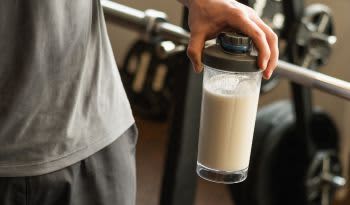
शेक: भोजन के प्रतिस्थापन के सबसे सुविधाजनक रूपों में से एक, शेक तैयार किए गए, पोर्टेबल होते हैं, और अक्सर फाइबर और आवश्यक पोषक तत्वों से भरपूर होते हैं
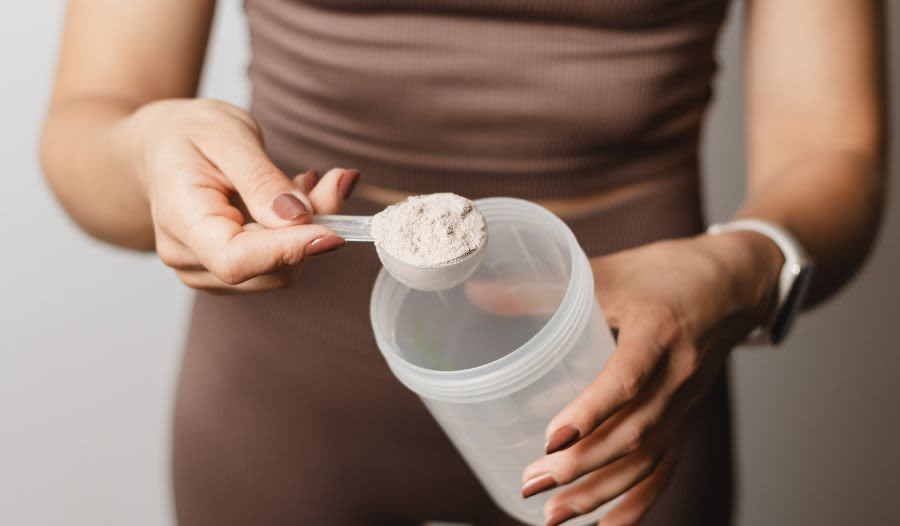
पाउडर: पाउडर बहुमुखी हैं - आप उन्हें एक गिलास पानी में मिला सकते हैं या उन्हें फलों, सब्जियों और अखरोट के मक्खन के साथ मिलाकर पोषक तत्वों से भरपूर स्मूदी में मिला सकते हैं
बार: भाग-नियंत्रित कैलोरी और पोषक तत्वों के साथ अविश्वसनीय रूप से सुविधाजनक होते हुए भी, कुछ मील रिप्लेसमेंट बार में पाए जाने वाले अतिरिक्त चीनी और कृत्रिम अवयवों के लिए पोषण लेबल पर नज़र रखें
मील रिप्लेसमेंट के फ़ायदे
जब आपके पास भोजन तैयार करने का समय नहीं होता है या आप अपने द्वारा उपभोग की जाने वाली कैलोरी और पोषक तत्वों को नियंत्रित करने का एक सरल तरीका चाहते हैं, तो भोजन को बदलना आपके शरीर की पोषक तत्वों की ज़रूरतों को पूरा करने का आसान, सुविधाजनक तरीका हो सकता है। भोजन बदलने के लाभों में शामिल हैं:
पोषक तत्वों से भरपूर: उच्च गुणवत्ता वाले भोजन प्रतिस्थापन विटामिन, खनिज, एंटीऑक्सिडेंट और प्रोटीन से भरपूर होते हैं, जो व्यस्त दिनों में भी संतुलित पोषण सुनिश्चित करने में मदद करते हैं
कैलोरी नियंत्रण: कई भोजन प्रतिस्थापन कैलोरी में कम होते हैं, जिससे वे वजन को नियंत्रित करते समय कैलोरी की मात्रा को नियंत्रित करने में सहायक होते हैं
जोड़ा गया फाइबर: फाइबर पाचन, तृप्ति और रक्त शर्करा संतुलन1का समर्थन करता है
प्रमाणित वजन घटाने का समर्थन: कैलोरी की निर्धारित संख्या के साथ, भोजन प्रतिस्थापन कार्यक्रम वजन घटाने के लिए प्रभावी उपकरण हो सकते हैं, खासकर उन लोगों के लिए जो सरल और लगातार पोषण चाहते हैं2
सुविधा: वे निर्णय लेने की थकान को कम करते हैं, भोजन योजना को सरल बनाते हैं, और चलते-फिरते खाए जा सकते हैं
पूरक पोषण: चोट या बीमारी से उबरने वाले लोगों या जिन्हें अपनी पोषण संबंधी ज़रूरतों को पूरा करने में परेशानी होती है, उनके लिए पोषण को बढ़ावा देने का एक आसान तरीका प्रदान करें
भोजन बदलने के नुकसान
जबकि भोजन को बदलना मददगार होता है, वे सभी के लिए बिल्कुल सही नहीं होते हैं, और कुछ दूसरों की तुलना में बेहतर होते हैं। एक प्राकृतिक चिकित्सक के रूप में, मैं आमतौर पर भोजन के प्रतिस्थापन की ओर रुख करने से पहले जब भी संभव हो, संपूर्ण खाद्य पदार्थों के माध्यम से आपके पोषक तत्वों को प्राप्त करने की सलाह देता हूं। भोजन के प्रतिस्थापन की संभावित कमियों में शामिल हैं:
कृत्रिम सामग्री: कुछ भोजन प्रतिस्थापन में मिठास, कृत्रिम स्वाद और प्रिजरवेटिव की मात्रा अधिक होती है
परिवर्तनशील गुणवत्ता: सभी भोजन प्रतिस्थापन समान नहीं बनाए गए हैं - हमेशा प्रोटीन, फाइबर और अन्य आवश्यक पोषक तत्वों के लिए पोषण लेबल की जांच करें
बहुत कम कैलोरी: कुछ उत्पाद बहुत कम कैलोरी प्रदान करते हैं, जिससे आपको भूख और असंतुष्ट महसूस हो सकता है
संपूर्ण खाद्य तालमेल का अभाव: संपूर्ण खाद्य पदार्थों में एंजाइम और फाइटोन्यूट्रिएंट होते हैं जो भोजन के प्रतिस्थापन में नहीं पाए जाते हैं
स्वाद की थकान: भोजन के लिए शेक या बार पर निर्भर रहना नीरस हो सकता है
अपनी दिनचर्या में भोजन के प्रतिस्थापन को कैसे शामिल करें
एक स्वस्थ आहार में भोजन के प्रतिस्थापन को शामिल करने का सबसे सरल तरीका यह है कि एक बार के भोजन — अक्सर नाश्ते या दोपहर के भोजन — को शेक या बार के साथ बदल दिया जाए। जबकि कई भोजन प्रतिस्थापन में भोजन के रूप में काम करने के लिए पर्याप्त पोषक तत्व होते हैं, आप कैलोरी या पोषक तत्वों की मात्रा को और बढ़ाने के लिए उन्हें अन्य संपूर्ण खाद्य पदार्थों के साथ जोड़ सकते हैं। पोषक तत्वों की विविधता बढ़ाने के लिए फलों, सब्जियों, मेवों या बीजों का एक टुकड़ा जोड़ने की कोशिश करें और चीजों को दिलचस्प बनाए रखें।
फ्लेवर, ब्रांड, या यहां तक कि फॉर्म (शेक, पाउडर, या बार) को घुमाकर हर दिन एक ही भोजन की जगह खाने से ऊबने से बचें। यदि आप भोजन बदलने वाले पाउडर का उपयोग करते हैं, तो स्वाद और पोषक तत्वों को अनुकूलित करने के लिए उन्हें पत्तेदार साग, फल, चिया बीज, या नट बटर के साथ मिलाकर प्रयोग करें।
भोजन के प्रतिस्थापन के बजाय भोजन के साथ उपयोग किए जाने पर भोजन के प्रतिस्थापन अक्सर सबसे अच्छा काम करते हैं। उनके उपयोग को रोज़ाना एक या दो सर्विंग्स तक सीमित करें, जब तक कि आपके स्वास्थ्य देखभाल पेशेवर द्वारा सलाह न दी जाए।
मील रिप्लेसमेंट का उपयोग कब करें
भोजन के प्रतिस्थापन का उपयोग कब और कैसे करना है, यह जानने से आपको अपने लक्ष्यों को प्राप्त करने में मदद मिल सकती है। भोजन के प्रतिस्थापन तब उपयोगी हो सकते हैं जब आप निम्नलिखित के लिए लक्ष्य बना रहे हों:
वज़न प्रबंधन: अपने स्वास्थ्य देखभाल पेशेवर के निर्देशानुसार भोजन के प्रतिस्थापन का उपयोग करने से कैलोरी की मात्रा को नियंत्रित करने और वज़न प्रबंधन में सहायता मिल सकती है।
त्वरित पोषण: जब समय तंग होता है, तो भोजन बदलने से आपको भोजन छोड़ने या कम गुणवत्ता वाले फास्ट फूड खाने से बचने में मदद मिलती है। चलते-फिरते अधिक पर्याप्त भोजन के लिए ताजे फल, सब्जियों या नट्स के साथ पूरक करें।
कसरत के बाद समर्थन: हाई-प्रोटीन, पोषक तत्वों से संतुलित शेक ऊर्जा को फिर से भरने और व्यायाम के बाद मांसपेशियों को ठीक करने में मदद करते हैं। कम से कम 20 ग्राम प्रोटीन और चीनी के विकल्प से मुक्त भोजन की तलाश करें - असली कार्ब्स मध्यम से उच्च तीव्रता वाली कसरत के बाद आपके ग्लाइकोजन स्टोर को बदलने में मदद करते हैं!3
डाइजेस्टिव रिकवरी: पाचन संवेदनशीलता की अवधि के दौरान मील रिप्लेसमेंट शेक पेट पर हल्के हो सकते हैं। यदि आप जठरांत्र संबंधी परेशानियों से उबर रहे हैं, तो ऐसे भोजन के विकल्प चुनें जो फाइबर में कम हों और आसानी से पचने योग्य हों।
सही मील रिप्लेसमेंट कैसे चुनें
बाज़ार में खाने के इतने सारे विकल्प उपलब्ध हैं, इसलिए सही भोजन चुनना मुश्किल लग सकता है। यहां बताया गया है कि उच्च गुणवत्ता वाला, पौष्टिक रूप से संतुलित भोजन प्रतिस्थापन चुनते समय किन बातों का ध्यान रखना चाहिए:
पर्याप्त प्रोटीन: तृप्ति, मेटाबॉलिज्म और मांसपेशियों का समर्थन करने के लिए प्रति सर्विंग में 15 से 30 ग्राम उच्च गुणवत्ता वाले प्रोटीन के साथ भोजन के विकल्प चुनें। उच्च गुणवत्ता वाले प्रोटीन में पौधे-आधारित विकल्प जैसे मटर, सोया, या गांजा, साथ ही पशु-आधारित मट्ठा प्रोटीन शामिल हैं।
संतुलित मैक्रोन्यूट्रिएंट्स: संतुलित भोजन के प्रतिस्थापन से तीनों मैक्रोन्यूट्रिएंट्स — प्रोटीन, कार्बोहाइड्रेट और स्वस्थ वसा मिलते हैं।
न्यूनतम कृत्रिम सामग्री: जब संभव हो तो उन्हें चुनें जो कृत्रिम रंगों, स्वादों और फ़िलर से मुक्त हों। यदि आप मध्यम से उच्च तीव्रता वाली कसरत के बाद ठीक होने के लिए भोजन प्रतिस्थापन का उपयोग कर रहे हैं, तो कृत्रिम मिठास के बिना भोजन का विकल्प चुनें।
जोड़ा गया फाइबर: पेट भरने और पेट के स्वास्थ्य का समर्थन करने के लिए प्रति सर्विंग में कम से कम 3 से 5 ग्राम फाइबर का लक्ष्य रखें। ज्यादा बेहतर है!
विटामिन और खनिज: उच्च गुणवत्ता वाले भोजन के प्रतिस्थापन में आवश्यक विटामिन होते हैं, जैसे B12, D, और C, कैल्शियम, मैग्नीशियम, और अन्य ट्रेस खनिज।
स्वाद और बनावट: स्वाद और बनावट मायने रखती है - आपके किसी ऐसे उत्पाद के साथ बने रहने की संभावना अधिक होती है जिसका आप वास्तव में आनंद लेते हैं।
आहार अनुकूलता: भोजन प्रतिस्थापन का चयन करते समय अपनी आहार संबंधी आवश्यकताओं पर विचार करें। ग्लूटेन-मुक्त, डेयरी-मुक्त, कीटो-फ्रेंडली और पौधे-आधारित विकल्प व्यापक रूप से उपलब्ध हैं।
अंतिम विचार और सुरक्षित उपयोग
भोजन प्रतिस्थापन पोषण को सरल बनाने, वजन प्रबंधन में सहायता करने और कम समय होने पर पोषक तत्वों से भरपूर भोजन प्रदान करने के लिए एक शक्तिशाली उपकरण हो सकता है। उच्च गुणवत्ता वाले भोजन प्रतिस्थापन पाउडर, शेक और बार कैलोरी की एक निर्धारित संख्या में संतुलित पोषण प्रदान करते हैं।
सुविधाजनक होते हुए भी, सभी भोजन और स्नैक्स को बदलने के लिए भोजन के प्रतिस्थापन का उपयोग नहीं किया जाना चाहिए, जब तक कि किसी स्वास्थ्य सेवा प्रदाता द्वारा सलाह न दी जाए। भोजन के प्रतिस्थापन के अपने उपयोग को प्रतिदिन एक या दो तक सीमित करें। पुरानी स्वास्थ्य स्थितियों वाले व्यक्ति और जो गर्भवती हैं, उन्हें भोजन के प्रतिस्थापन का उपयोग करने से पहले अपने चिकित्सक से परामर्श करना चाहिए।
एक प्राकृतिक चिकित्सक के रूप में, मैं हमेशा सप्लिमेंट या भोजन प्रतिस्थापन की ओर रुख करने से पहले अपने पोषक तत्वों को भोजन से प्राप्त करने की सलाह देता हूं। लेकिन जब समय की कमी हो, या आप संतुलित पोषण पाने का एक त्वरित तरीका तलाश रहे हों, तो उच्च-गुणवत्ता वाले भोजन प्रतिस्थापन आपके लक्ष्यों को पूरा करने में आपकी मदद कर सकते हैं!
महत्वपूर्ण सूचना:
इन कथनों को फ़ूड एंड ड्रग एडमिनिस्ट्रेशन द्वारा अनुमोदित नहीं किया गया है।इन प्रोडक्ट्स का उद्देश्य किसी बीमारी का निदान, उपचार, इलाज या रोकथाम करना नहीं है।
यह सामान खरीदें
सीखते रहें
आपके मुंह का अपना माइक्रोबायोम है। यहां बताया गया है कि इसका समर्थन कैसे करें।
प्रस्तुतकर्ता: डॉ. मेगन पर्डी, एन. डी।
10,986 बार देखा गया
खेल पोषण का विकास: 90 के दशक के एरोबिक्स से लेकर आधुनिक मैक्रोज़ तक
प्रस्तुतकर्ता: डॉ. जेनले किम, DACM, L.Ac।
3,014 बार देखा गया
Micronized Creatine vs. Monohydrate: Benefits & Dosage
प्रस्तुतकर्ता: रे होसेनी, सी. पी. टी।
9,460 बार देखा गया
टर्केस्टरोन: लाभ, साइड इफेक्ट्स, और यह कैसे काम करता है
प्रस्तुतकर्ता: डॉ. हिल्डा वोंग, एम. डी।
10,142 बार देखा गया
पिलेट्स के लिए क्रिएटिन: अपने कोर, स्ट्रेंथ और रिकवरी को बढ़ाएं
प्रस्तुतकर्ता: डॉ. कार्ली बिगिंस, एन. डी।
6,263 बार देखा गया
स्पोर्ट सर्टिफाइड गाइड: सप्लीमेंट्स की खरीदारी कैसे करें जिन पर आप भरोसा कर सकते हैं
प्रस्तुतकर्ता: डॉ. हिल्डा वोंग, एम. डी।
10,215 बार देखा गया
हॉट एक्सरसाइज वर्कआउट गाइड: फायदे, नुकसान और सावधानियां
प्रस्तुतकर्ता: जेसिका थीफल्स
2,497 बार देखा गया
कम प्रभाव वाला वर्कआउट ये 5 प्रभावशाली लाभ प्रदान करता है
प्रस्तुतकर्ता: राहेल मैकफर्सन, सीपीटी, सीएससीएस
3,263 बार देखा गया
मांसपेशियों में कमी होती है। इसे रोकने के लिए आप यहां 5 चीजें कर सकते हैं।
प्रस्तुतकर्ता: डॉ. जोश एक्स, डीएनएम, डीसी, सीएनएस
9,461 बार देखा गया
12-3-30 वर्कआउट क्या है? इस फिटनेस ट्रेंड के साथ कैलोरी बर्न करें, वजन कम करें और बहुत कुछ करें
प्रस्तुतकर्ता: राहेल मैकफर्सन, सीपीटी, सीएससीएस
1,692 बार देखा गया
गर्मी में व्यायाम करना: हाई टेम्प्स में वर्कआउट करते समय सुरक्षित कैसे रहें
प्रस्तुतकर्ता: राहेल मैकफर्सन, सीपीटी, सीएससीएस
1,664 बार देखा गया
क्या होता है जब आपके शरीर में इलेक्ट्रोलाइट्स की कमी होती है?


























































 सामग्री की तालिका